 AETCM
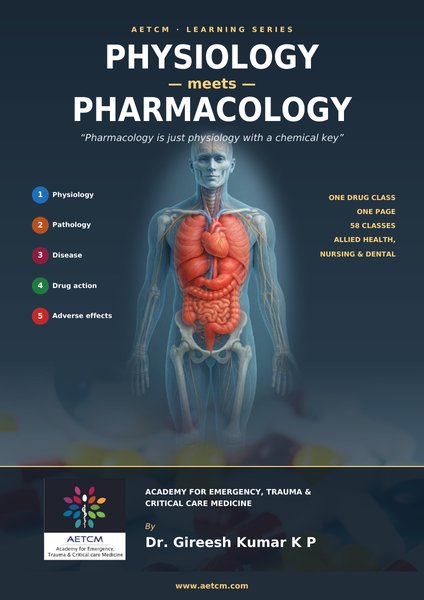
Physiology Meets Pharmacology
One drug class, one page — physiology, pathology, disease, drug action and adverse effects, with facing drug tables
- Free PDF
- Integrated learning
- 122 pages
- 3.6 MB
- 1st (2026) edition
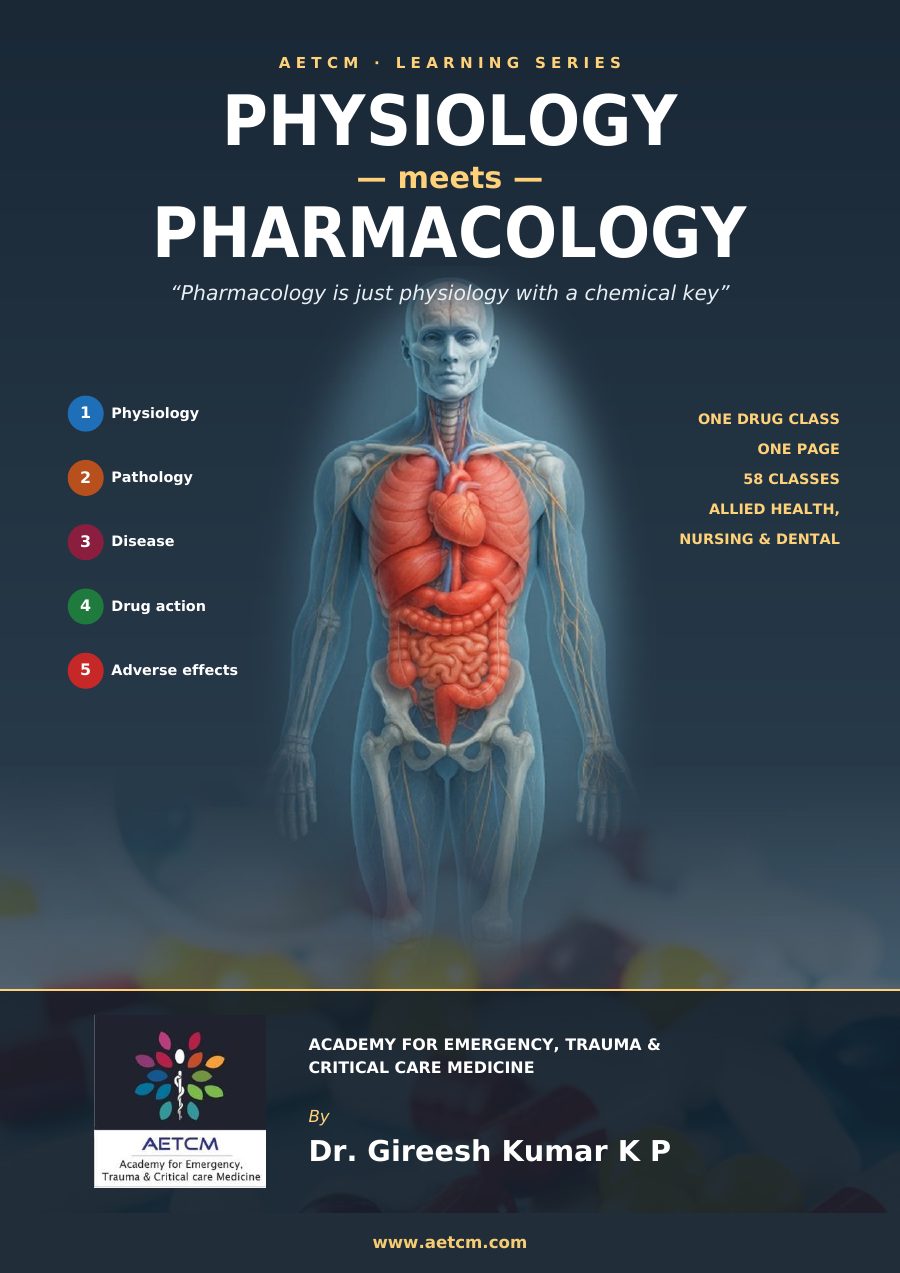
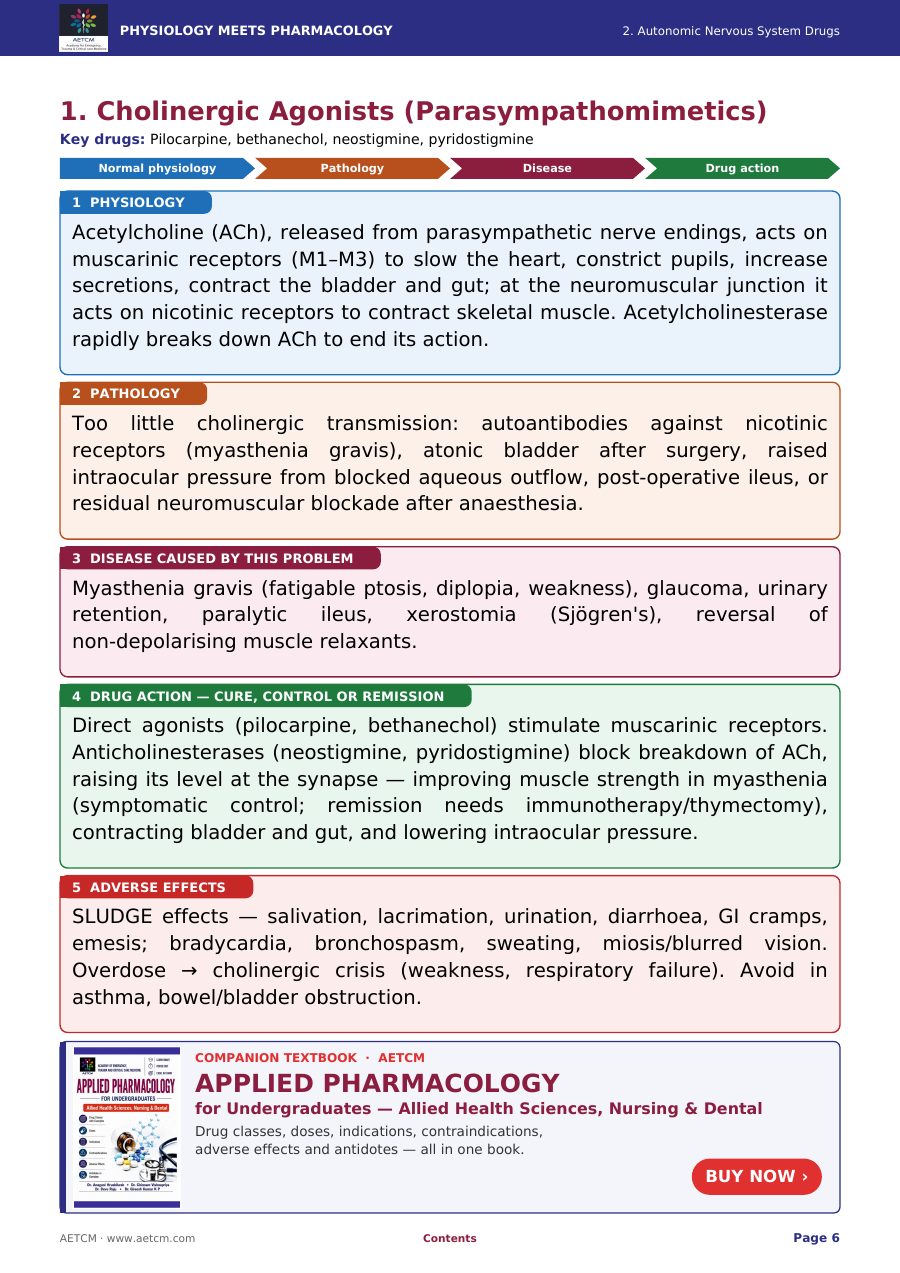
Pharmacology is just physiology with a chemical key. This book takes 58 drug classes, from cholinergic agonists to vaccines, one class at a time, and explains each through the same five steps: the normal physiology of the system the drug acts on, the pathology that disturbs it, the disease that results, how the drug acts — cure, control or remission — and the adverse effects that follow from the same physiology. Each class has a facing drug table with indications, adult doses and cautions for its key drugs. Chapters cover the autonomic nervous system, cardiovascular drugs, diuretics, blood and haemostasis, respiratory, central nervous system, analgesic and anti-inflammatory, antimicrobial, gastrointestinal, endocrine and other important drug classes (immunosuppressants, obstetric drugs, vaccines). Written for allied health, nursing and dental students, as a companion to Applied Pharmacology for Undergraduates. Read online or download free.
Author: Dr. Gireesh Kumar K. P. · For: Nursing & allied health
Inside this book
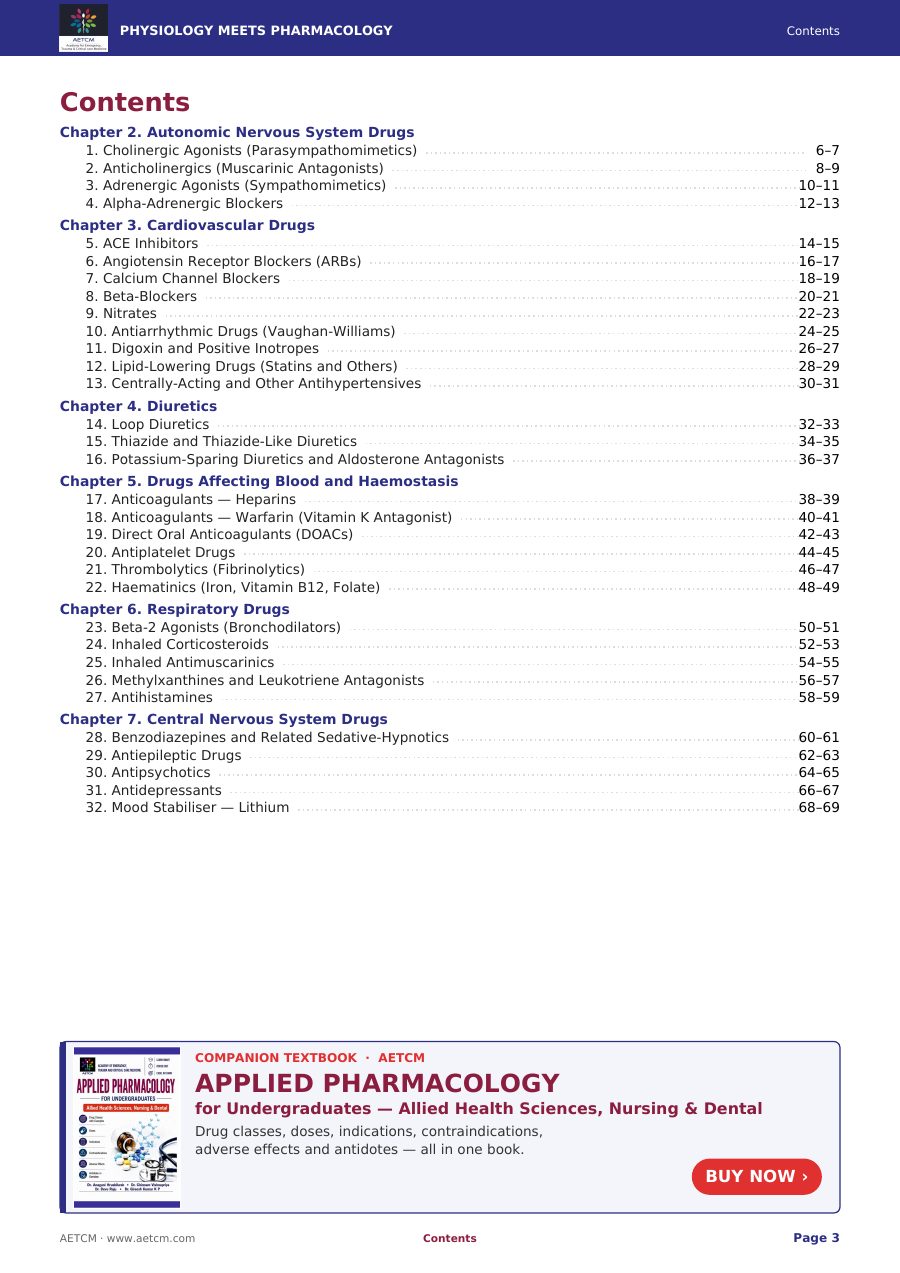
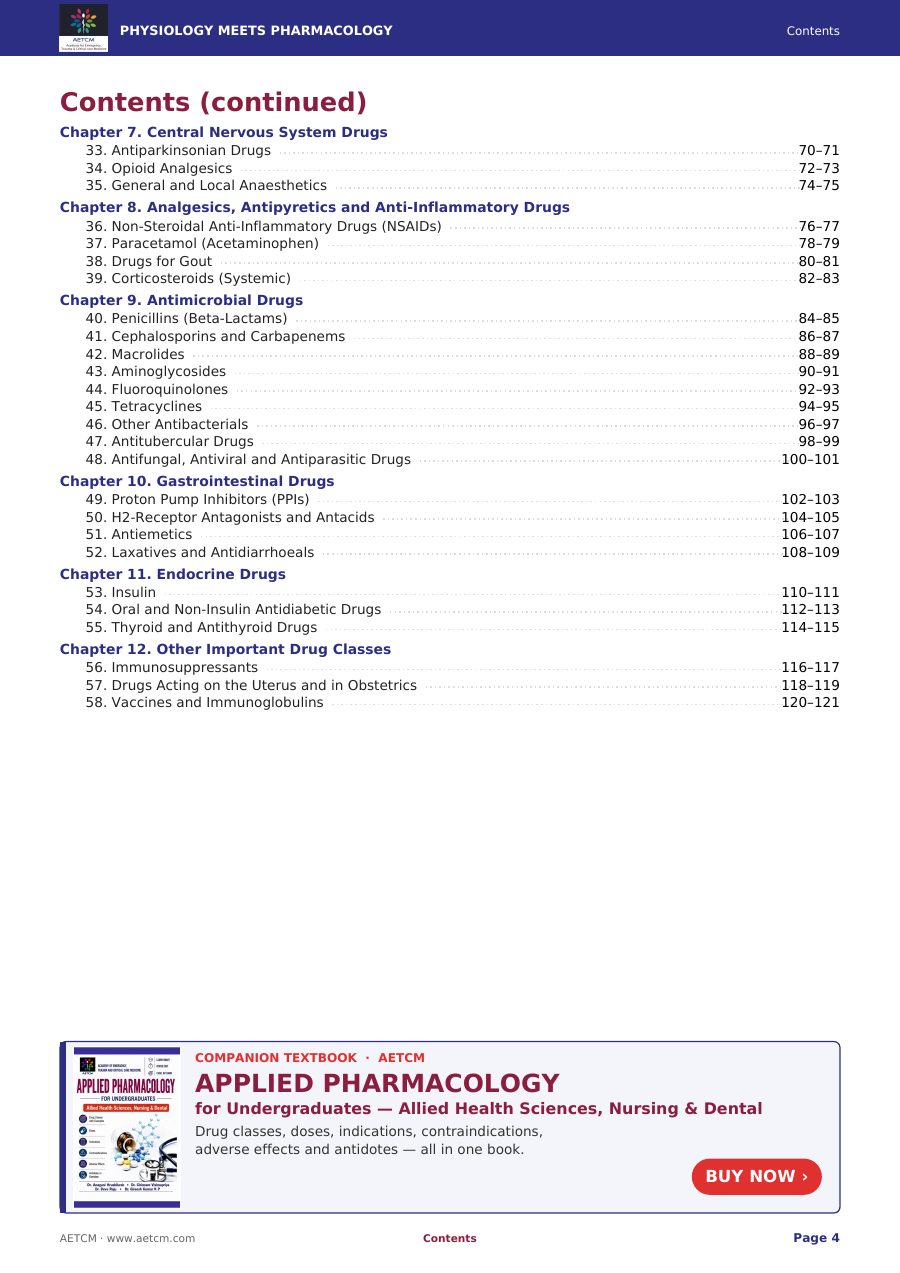
- Chapter 2 — Autonomic Nervous System Drugs (cholinergic agonists, anticholinergics, adrenergic agonists, alpha-blockers)
- Chapter 3 — Cardiovascular Drugs (ACE inhibitors, ARBs, calcium channel blockers, beta-blockers, nitrates, antiarrhythmics, digoxin, lipid-lowering drugs, other antihypertensives)
- Chapter 4 — Diuretics (loop, thiazide, potassium-sparing)
- Chapter 5 — Drugs Affecting Blood and Haemostasis (heparins, warfarin, DOACs, antiplatelets, thrombolytics, haematinics)
- Chapter 6 — Respiratory Drugs (beta-2 agonists, inhaled corticosteroids, inhaled antimuscarinics, methylxanthines, antihistamines)
- Chapter 7 — Central Nervous System Drugs (sedative-hypnotics, antiepileptics, antipsychotics, antidepressants, lithium, antiparkinsonian drugs, opioids, anaesthetics)
- Chapter 8 — Analgesics, Antipyretics and Anti-Inflammatory Drugs (NSAIDs, paracetamol, gout, systemic corticosteroids)
- Chapter 9 — Antimicrobial Drugs (penicillins to antitubercular, antifungal, antiviral and antiparasitic drugs)
- Chapter 10 — Gastrointestinal Drugs (PPIs, H2 blockers and antacids, antiemetics, laxatives and antidiarrhoeals)
- Chapter 11 — Endocrine Drugs (insulin, oral and non-insulin antidiabetics, thyroid and antithyroid drugs)
- Chapter 12 — Other Important Drug Classes (immunosuppressants, uterine and obstetric drugs, vaccines and immunoglobulins)
Look inside
More free books from AETCM
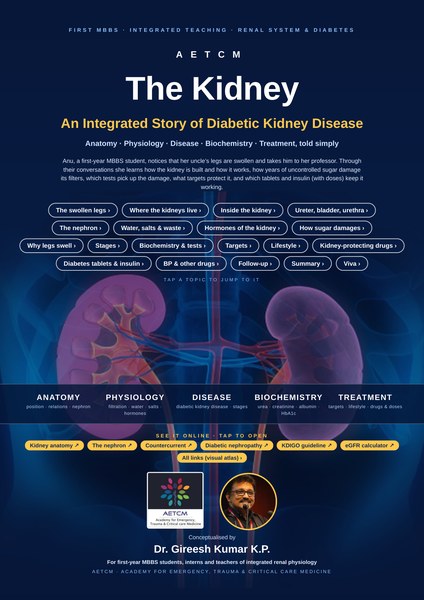 The Kidney: An Integrated Story
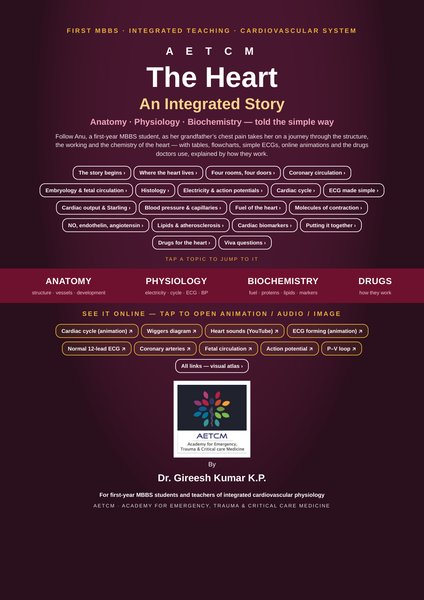 The Heart: An Integrated Story
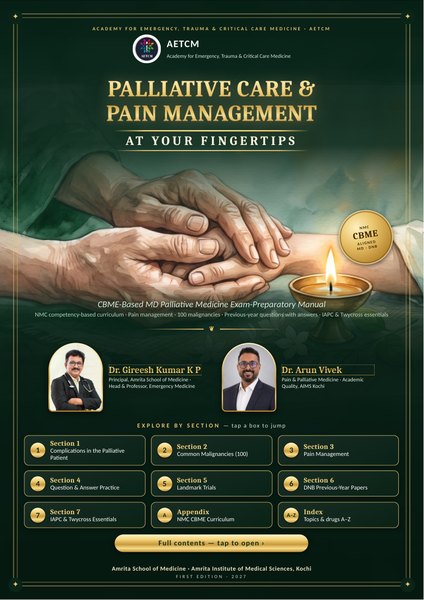 Palliative Care & Pain Management at Your Fingertips
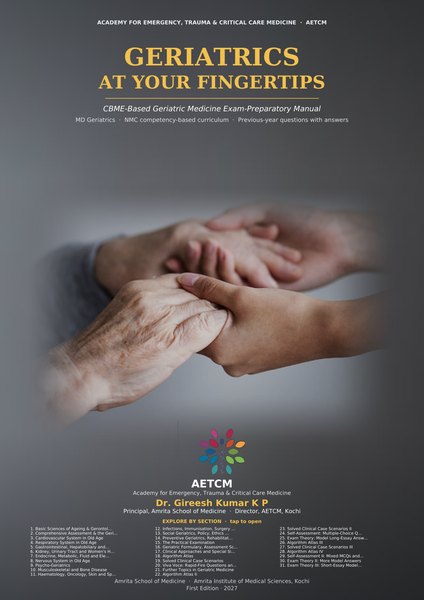 Geriatrics at Your Fingertips
 100 Drugs & 100 Procedures Every Nurse Must Know
 B.Sc. AHS Anatomy Question Bank
All AETCM books are free to read and share for non-commercial teaching. No sign-up. Install the free AETCM app to keep books offline, highlight and add notes — see how.